| Riccarda Antiochia | Biosensors & Bioelectronics | "To the best of our knowledge, this work represents the first on-body example of a microneedles-based biosensor capable of continuous monitoring of two key nutrition biomarkers in the interstitial fluid, thus offering more accurate personalized information
for a better future precision nutrition development and management." |  |
| Zein Mersini Besharat | European Urology Oncology | "Identified two circulating microRNAs and integrated them with MRI imaging data and patients’ clinical data which allowed to develop a new diagnostic algorithm for early diagnosis of clinically significant prostate cancer patients and reduction of overdiagnosis of clinically insignificant prostate cancer patients.
" |  |
| Zein Mersini Besharat | Cancer Research | In KRAS-mutated colorectal cancer, chemotherapy-enhanced KRAS–ERK/ADAM17 signaling drives Jag1-ICD–dependent nuclear reverse signaling that induces EMT and promotes tumor growth, invasion, and chemoresistance, which can be mitigated by MEK/ERK and ADAM17 inhibition. |  |
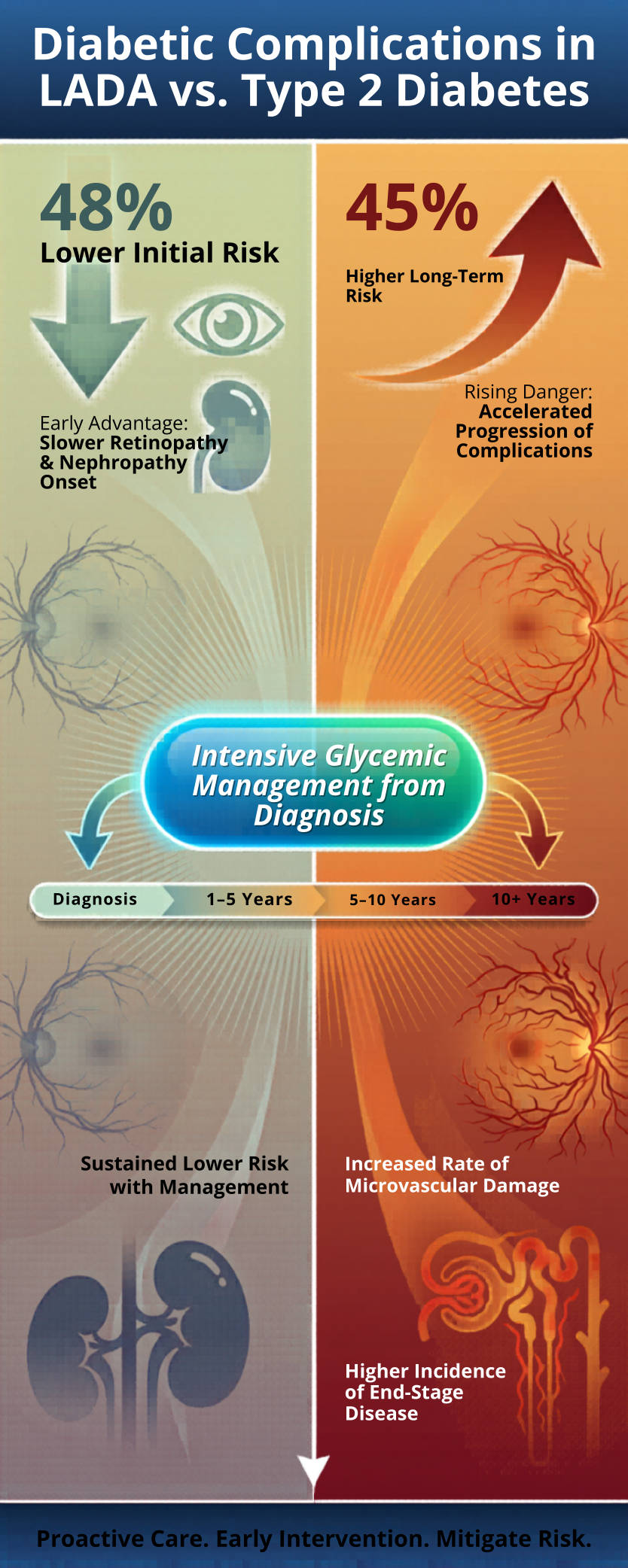
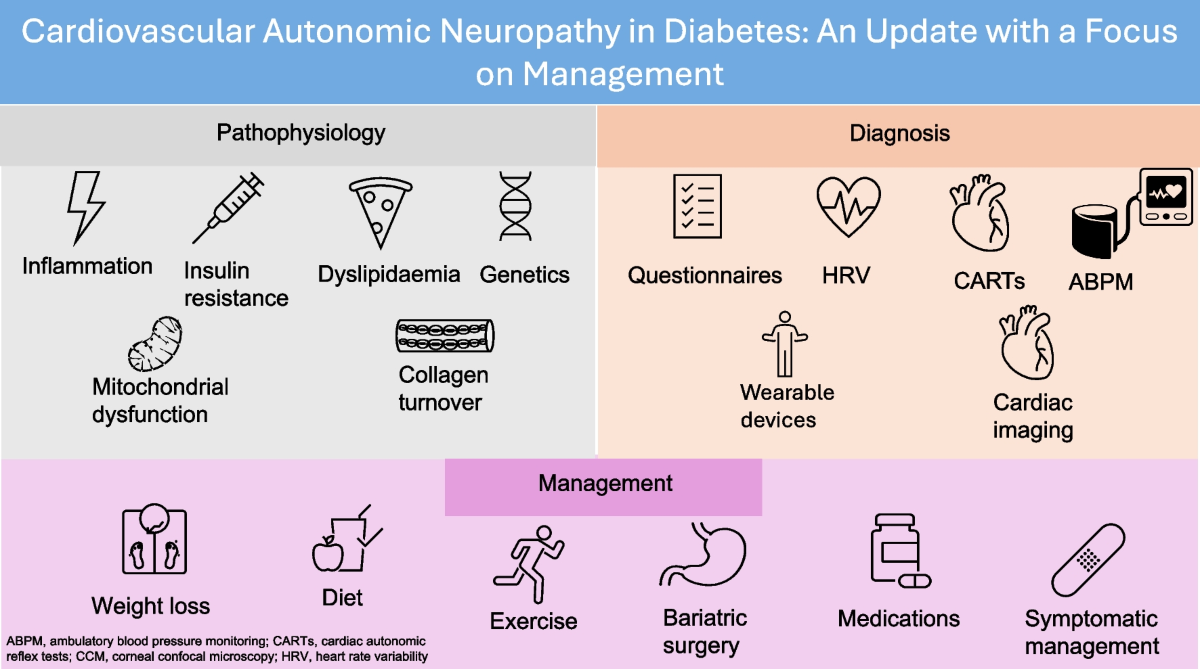
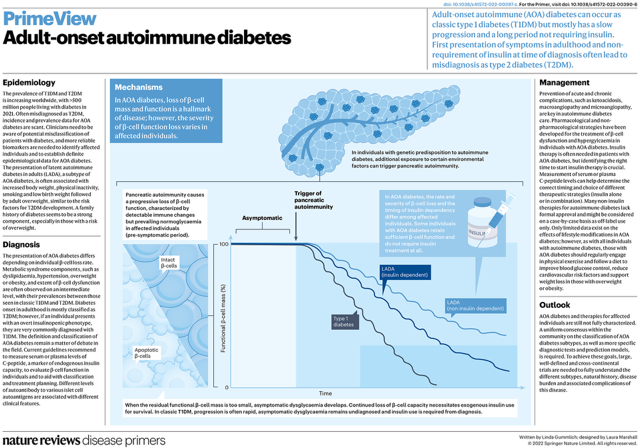
| Raffaella Buzzetti | Cardiovascular Diabetology | This study provides the first systematic evidence that ectopic fat distribution differentially relates to cardiac autonomic neuropathy in autoimmune versus type 2 diabetes, opening new pathophysiological and clinical perspectives |  |
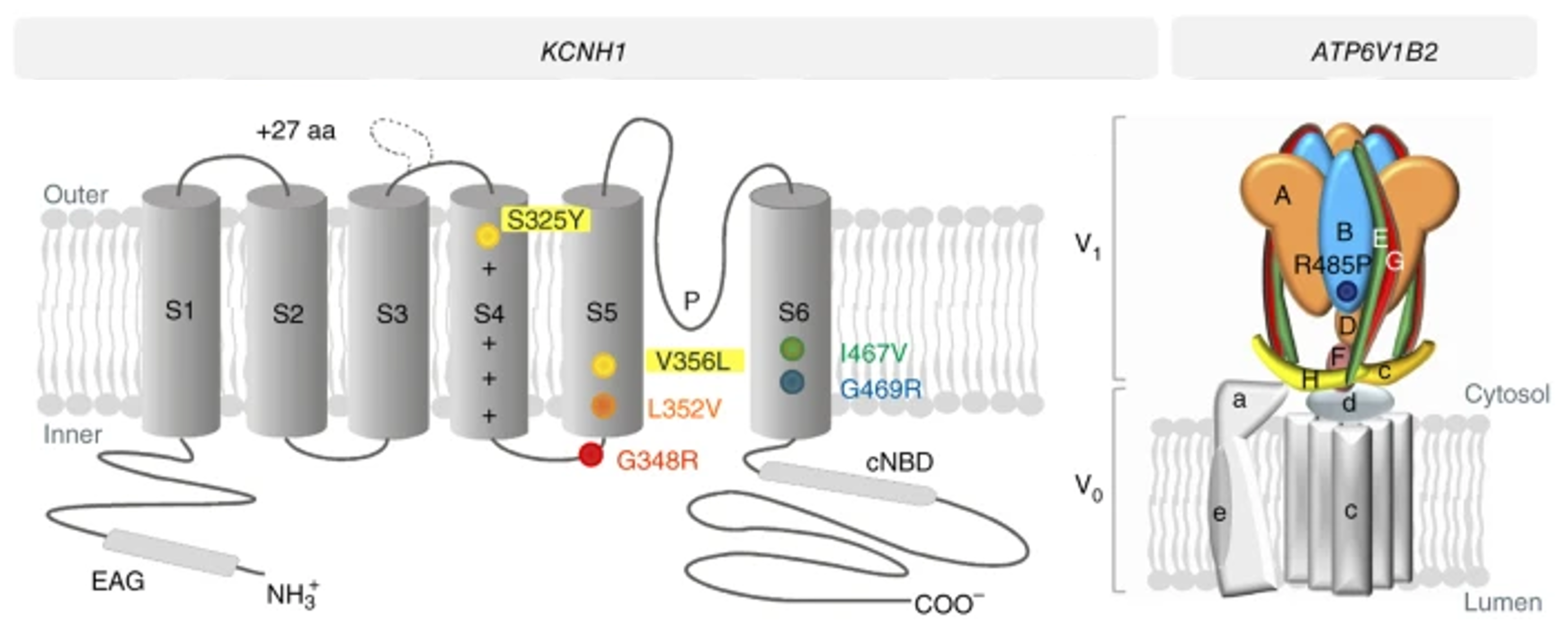
| Viviana Caputo | Nature Communications | This work introduces a state-of-the-art machine learning framework (APOGEE 2) that significantly improves the accuracy and interpretability of mitochondrial variant pathogenicity prediction, addressing a key challenge in medical genetics. |  |
| Matteo Cassandri | Nature Communications | In this study, we identified a novel regulatory axis involving MYOD, SKP2, and p57 that plays a crucial role in blocking myogenic differentiation, leading to the development of pediatric fusion-negative rhabdomyosarcoma. We also demonstrated that this axis can be pharmacologically targeted using a neddylation inhibitor, resulting in inhibition of tumor growth | 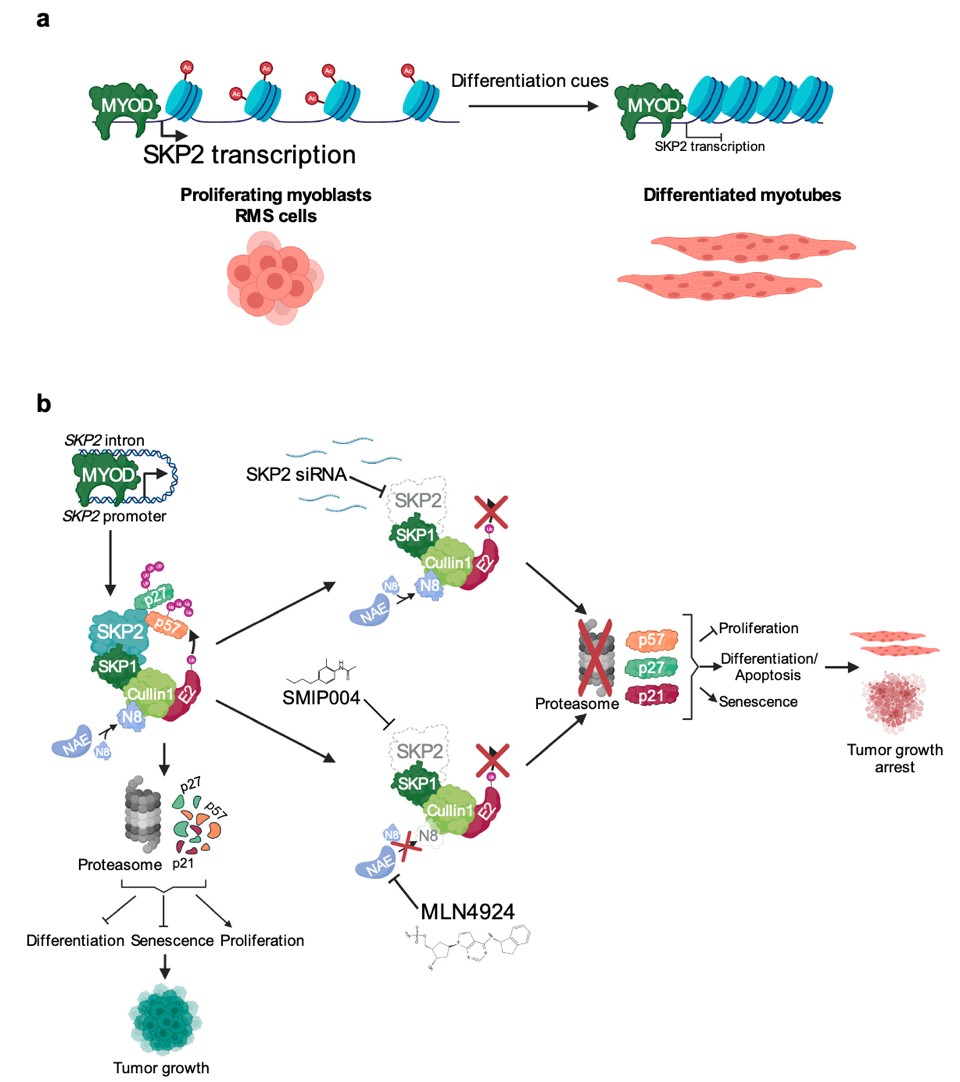 |
| Mara Cirone | Autophagy | This work identifies a novel, therapeutically relevant link between ER stress signaling and mutant TP53 regulation. | 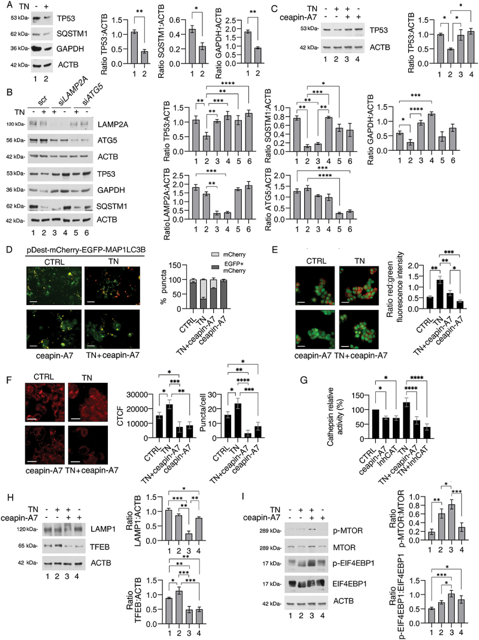 |
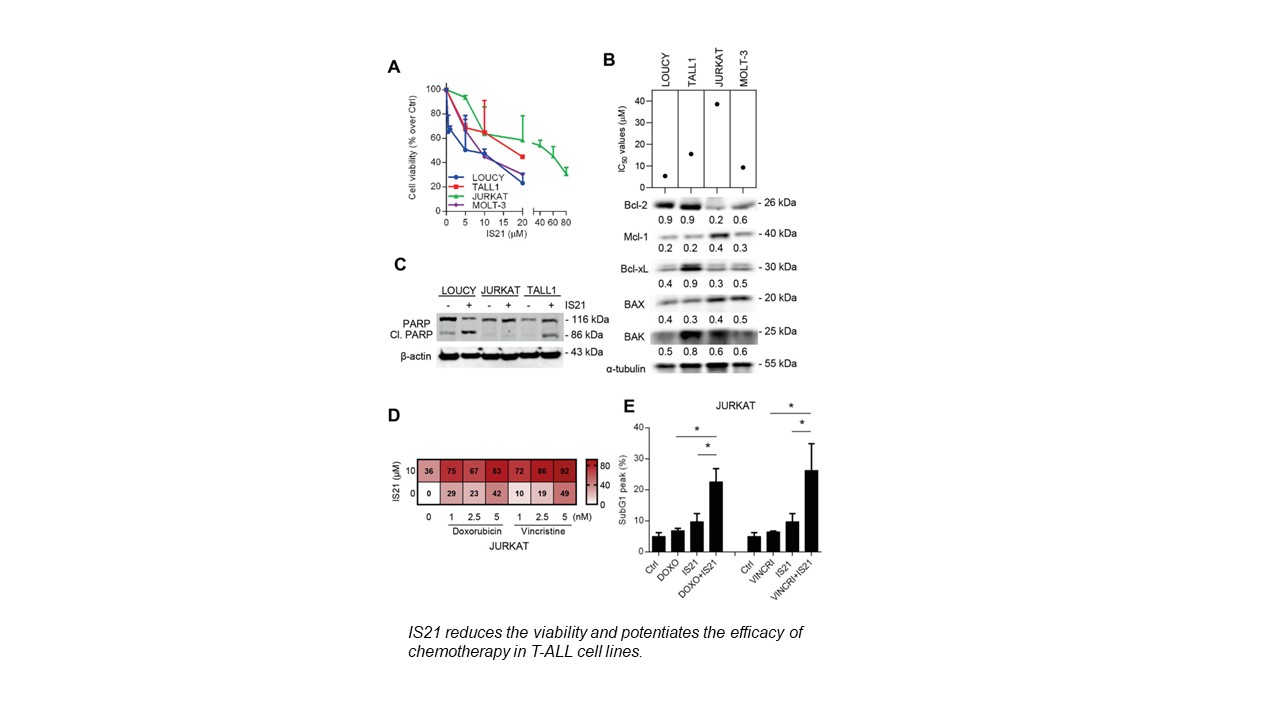
| Maria Pia Felli | Cell Death and Disease | A study by Felli’s group, in collaboration with Dr. Donatella Del Bufalo (Regina Elena National Cancer Institute, Rome) and Dr. Giovanna Damia (Mario Negri Institute, Milan), shows that IS21—identified with Prof. Rino Ragno—as well as Venetoclax and other Bcl-2 inhibitors, reduce the growth of T-cell acute lymphoblastic leukemia (T-ALL), ovarian cancer, and melanoma cells, and enhance the efficacy of current anticancer therapies.
|  |
| Elisabetta Ferretti | Biomarker Research | The study shows that specific plasma cell-free DNA features (fragmentation and MGMT_623CG methylation) are elevated in active medullary thyroid carcinoma and can serve as promising non-invasive diagnostic biomarkers alongside calcitonin. |  |
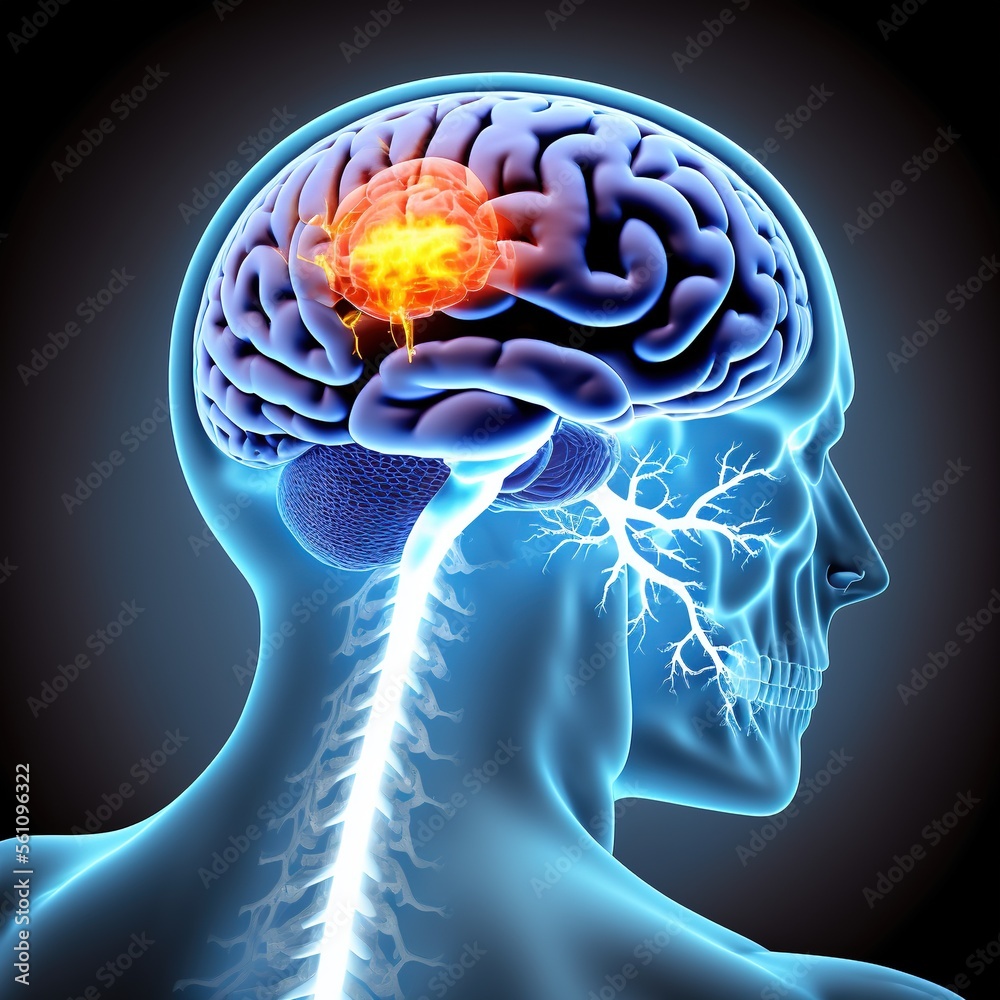
| Andrea Fuso | Alzheimers & Dementia | We demonstrated for the first time that miR-29a is modulated by one-
carbon metabolism through DNA methylation, disclosing the molecular mechanisms regulating BACE1 expression in AD. |  |
| Ricciarda Galandrini | Cancer Research | The work highlights a novel mechanism of immune exhaustion induced by anti-tumor therapeutic antibody in human NK cells, mediated by SHP-1 recruitment. This inhibitory mechanism causes broad functional impairment and cross-tolerance of activating receptors, directly limiting the clinical efficacy of anti-CD20 therapy in treated patients. |   |
| Maria Saveria Gilardini Montani | Autophagy | This is our top work of the last three years as it identifies a novel, therapeutically relevant link between ER stress signaling and mutant TP53 regulation. | |
| Maria Saveria Gilardini Montani | Autophagy | This study reveals for the first time that EBV-driven reductions in autophagy, ROS, and mitochondria redirect monocyte differentiation toward apoptosis, uncovering novel mechanisms of immune evasion | 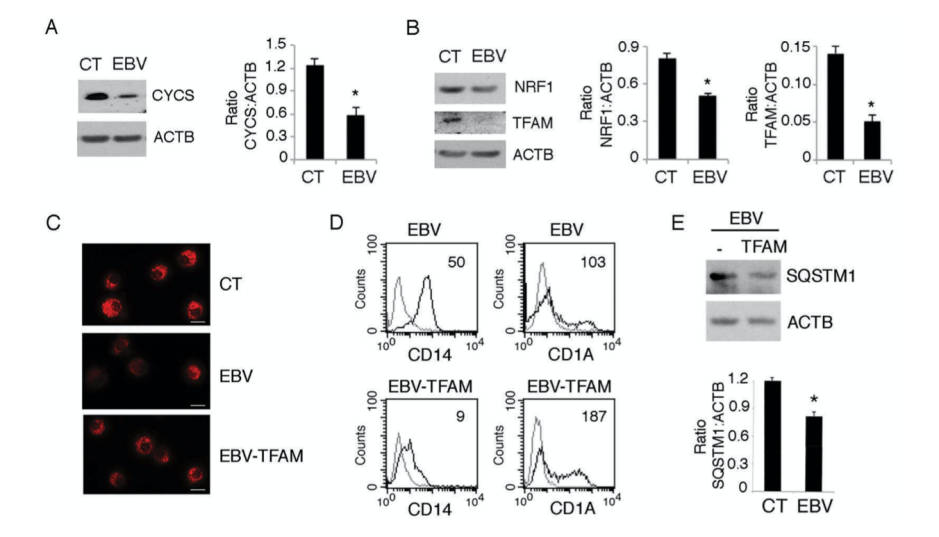 |
Roberta Gonnella Roberta Santarelli | Autophagy | We demonstate that acetylation induced by VPA promotes mut-p53 degradation via chaperon assisted selected autophagy in pancreatic cancer cells |  |
| Francesco Lombardo | Molecular Aspects of Medicine | It is critical overview of the andrological issues affecting the reproductive outcomes of the infertile male. | 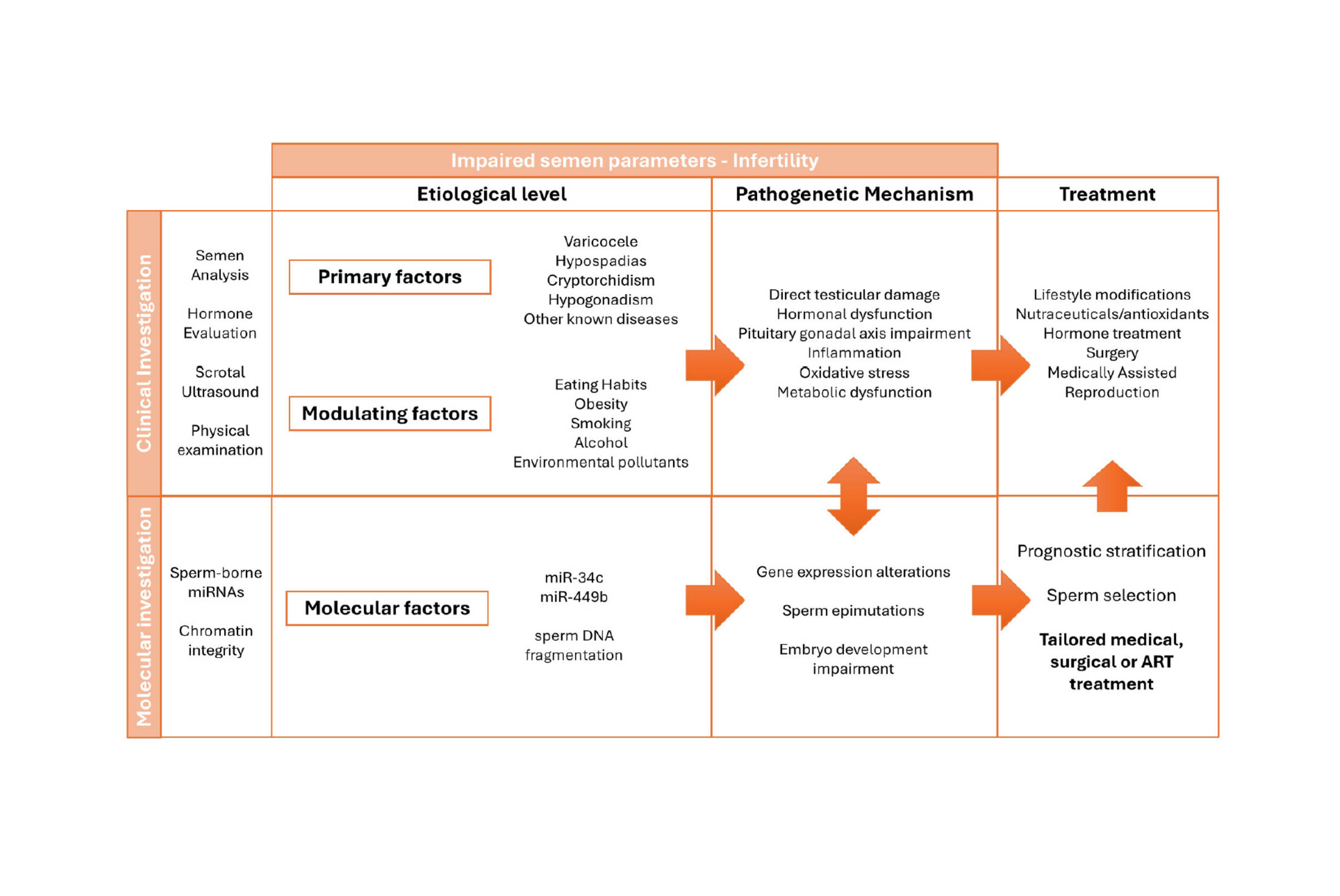 |
| Ernesto Maddaloni | Dibetes Care | Findings of this study contribute to the search for novel molecules related to cardiovascular disease in diabetes, using robust data from a large, carefully adjudicated, cardiovascular outcome trial. Such research may help inform novel pathways of cardiovascular pathophysiology. |  |
| Valeria Manganelli | Autophagy | This study has a strong impact because it reveals key mechanisms regulating autophagy at MAMs and identifies novel therapeutic targets for diseases such as cancer, neurodegeneration, and metabolic disorders. | 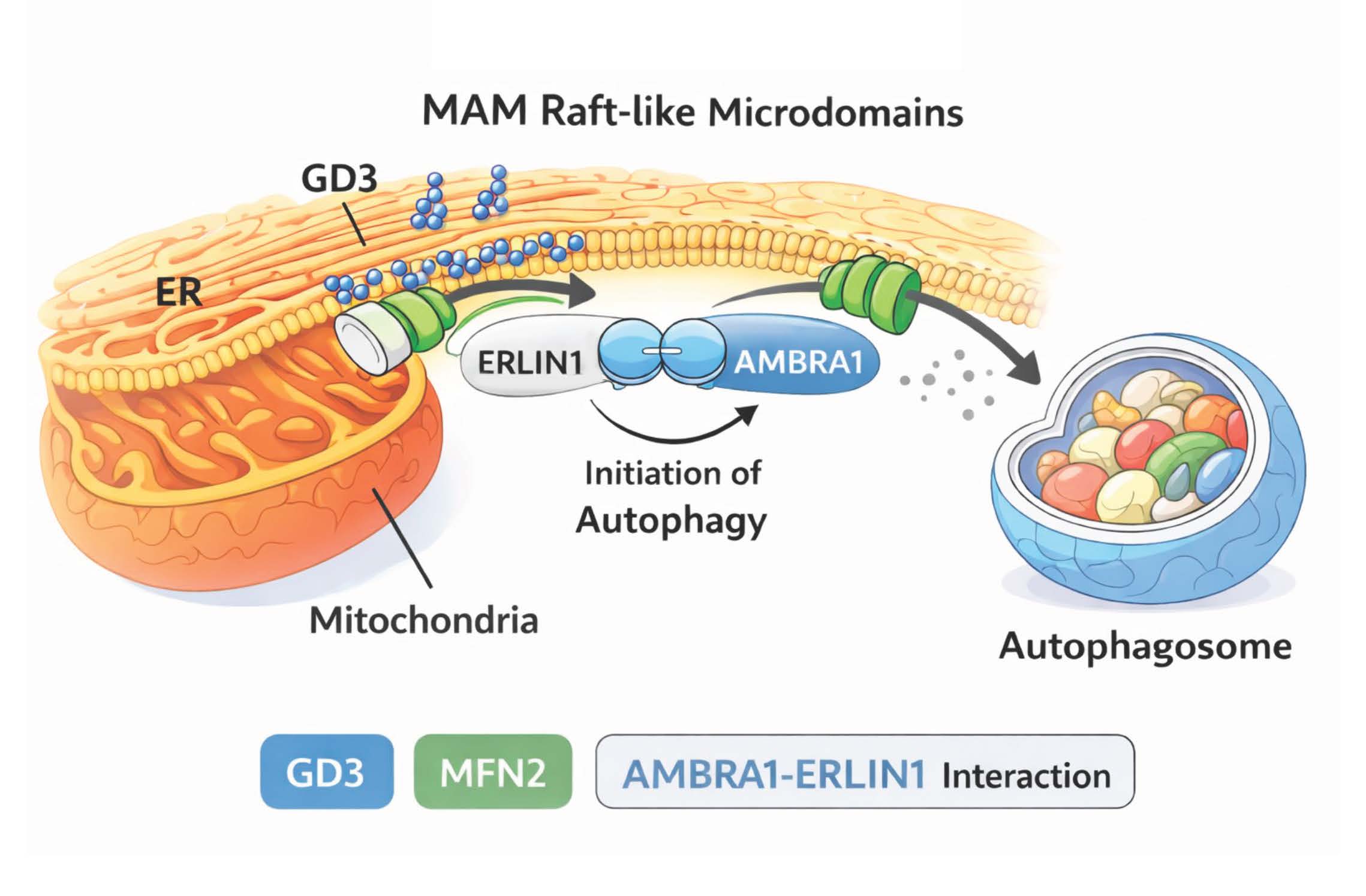 |
| Cinzia Marchese | Biomaterials | The small Vessel Environment Bioreactor (sVEB) represents a cutting-edge microfluidic platform that overcomes the limitations of traditional in vitro models by faithfully recapitulating key aspects of vascular and tumor biology. Within this system, iPSC-derived endothelial cells self-organize into functional, perfusable vascular networks with complex branching, while computational simulations confirm physiologically relevant flow dynamics. Breast cancer organoids are successfully maintained under dynamic conditions, and CD8+ T cells can be precisely delivered via magnetic nanoparticles, enabling the study of real-time immune–tumor interactions. Ongoing advancements focus on integrating patient-derived cells and standardizing protocols to improve scalability and reproducibility, ultimately establishing the sVEB as a transformative platform for precision medicine and the development of personalized cancer therapies. | 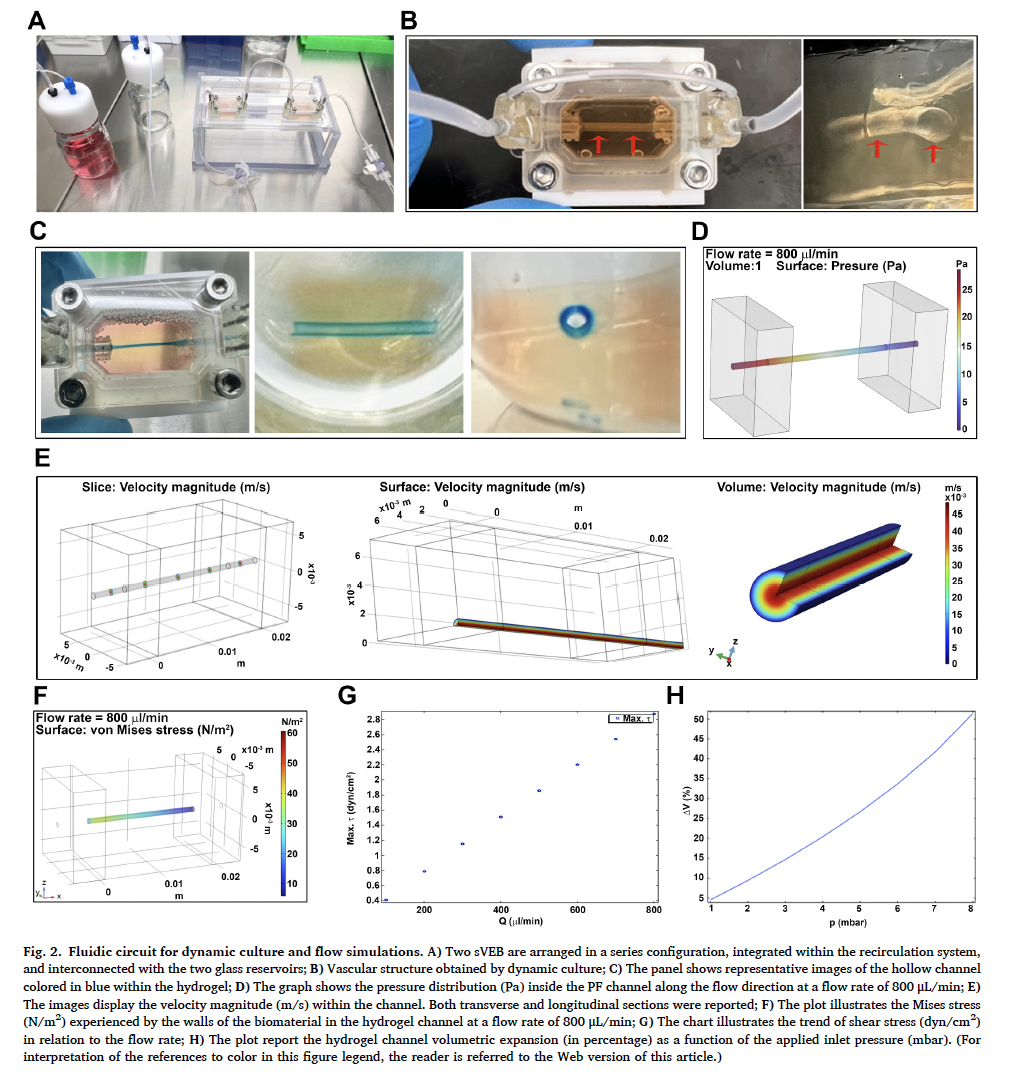 |
| Roberta Misasi | Autophagy | The role of lipids in the mechanisms controlling cell fate has always been a focus of our laboratory's basic research. In this work, we highlight how lipid rafts seem not to merely represent further actors of the process but fundamental constituents of the ER-mitochondria associated membranes (MAMs), without which the correct assembly of the vesicles and the scrambling among organelles can be impaired and the autophagic process hindered. |  |
| Marta Moretti | Cell Death and DIfferentition | This is one of my top papers from the last three years because it investigates Hedgehog-dependent medulloblastoma, fully consistent with my research focus on Hedgehog signaling and medulloblastoma, and includes my substantial contributions to in vivo experiments and histopathological analyses. |  |
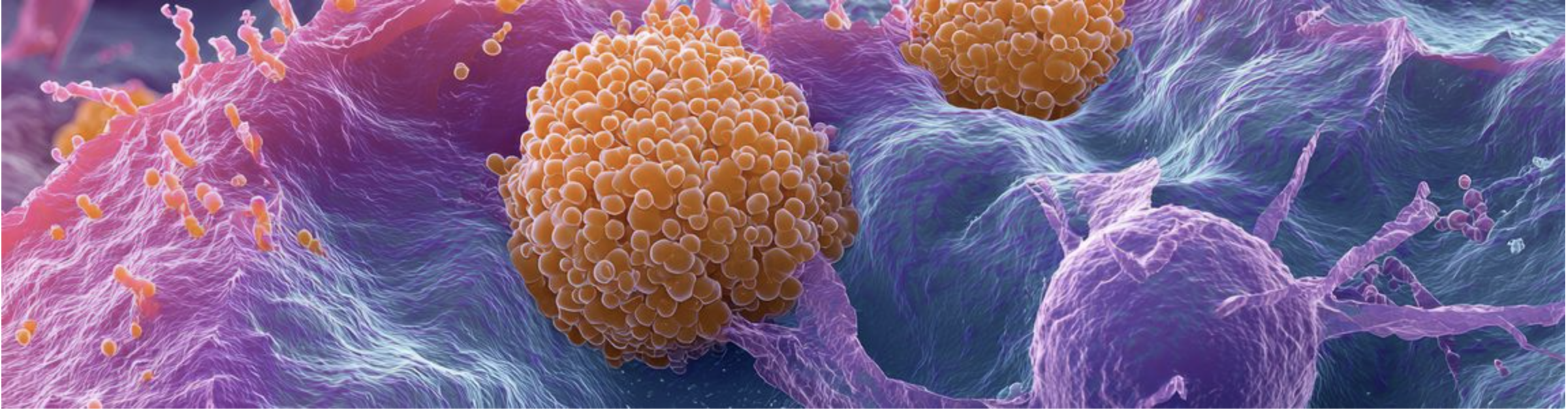
| Gabriella Palmieri | Journal of Extracellular Vesicles | This study highlights an important mechanism that may suppress Natural Killer (NK) cell immunosurveillance in the tumour microenvironment; the accumulation of ligands for NKG2D NK activating receptor on cancer-released extracellular vesicles (EV) promotes NKG2D downmodulation and fratricide of NK cells dressed with EV-derived NKG2D ligands. | |
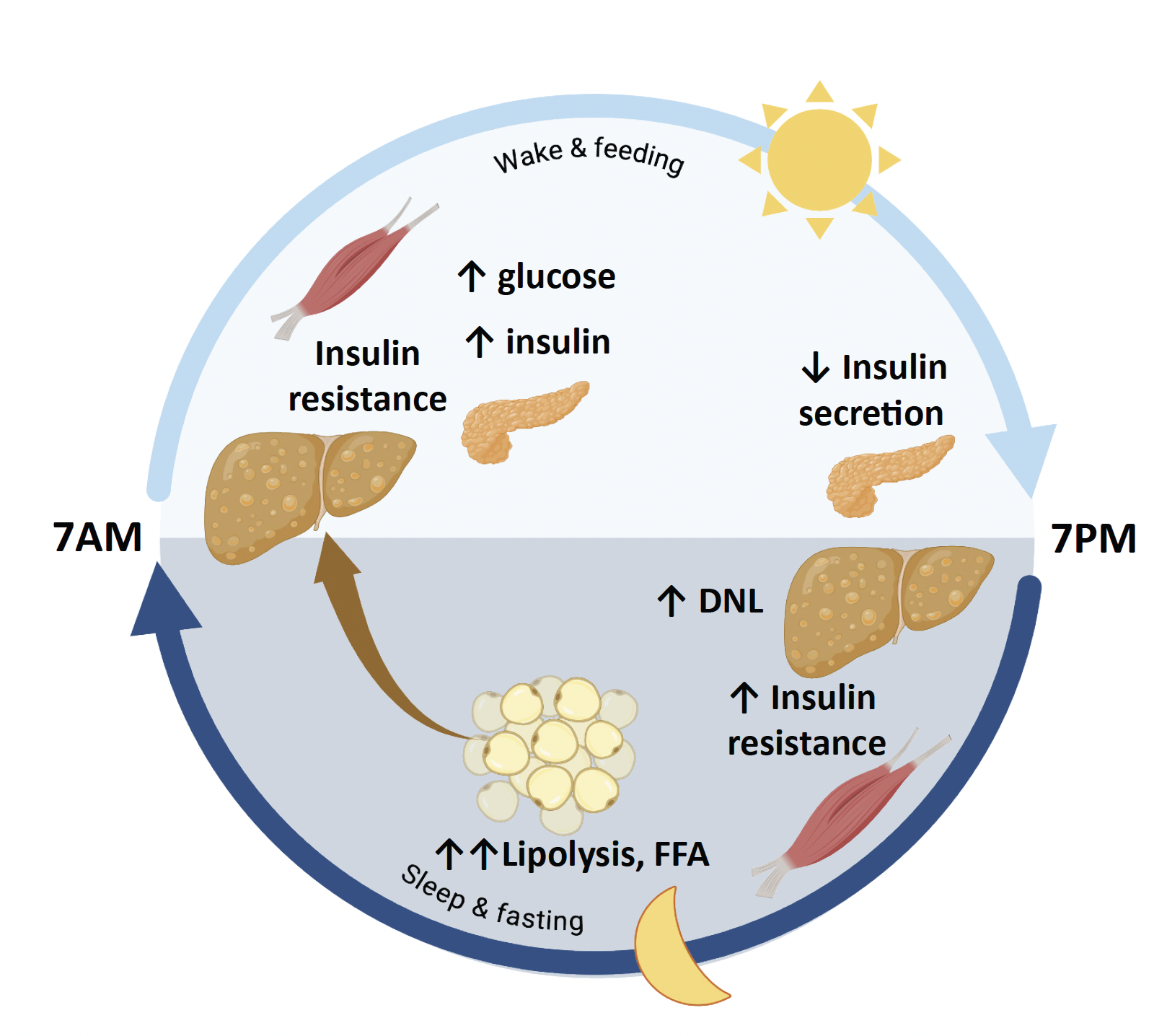
| Eleonora Poggiogalle | Metabolism | An exhaustive review article summarizing recent evidence on the role of chronobiology in the regulation of energy and nutrient metabolism in humans. More than 500 citations. |  |
| Eleonora Poggiogalle | Advances in Nutrition | The load-capacity model in body composition represents a novel approach to account for the allostatic metabolic load as a major determinant of adverse health outcomes. |  |
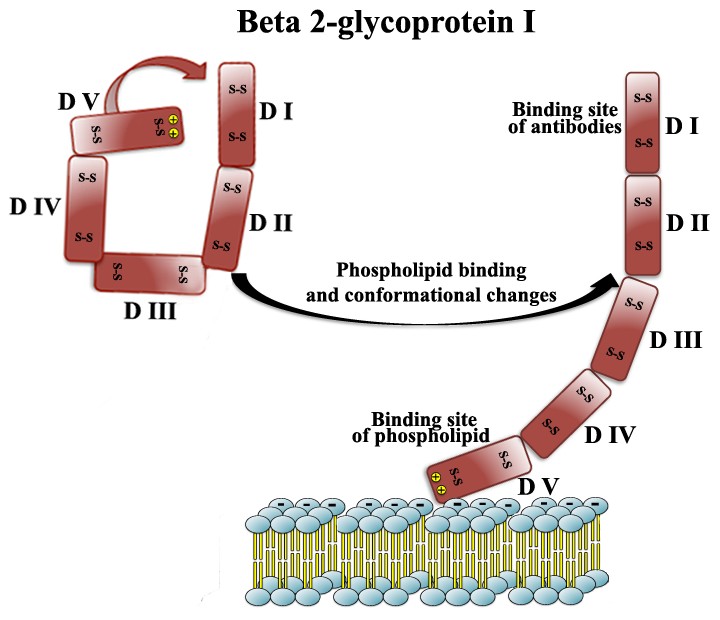
| Fabio Pulcinelli | Nature Communications | Our laboratory was fundamental to diagnosis of Vaccine-Induces Thombositopenia Thrombosis in this paper. Such results were obtained as we previously published an innovative platelet function test to evaluate Heparin and Vaccine induced thrombosis, that doesn't require a serotonin radioactivity materials, which is considered as gold standard test. | |
Anna Reale
Michele Zampieri | Redox Biology | This study identifies PARylation as a critical molecular bridge linking hyperglycemia-induced oxidative stress to inflammatory activation in type 2 diabetes, revealing a novel mechanistic axis with significant therapeutic potential. |  |
| Gloria Riitano | Angiogenesis | This article, developed in collaboration with the research group at Columbia University where I was as visiting scientist, represents the bridge between the focus of my past research and that of my current research. |  |
| Renata Risi | Cardiovascular Diabetology | This study shows that visceral and centrally distributed fat is strongly linked to cardiac autonomic neuropathy in autoimmune diabetes—but not in type 2 diabetes—highlighting a distinct and underrecognized cardiometabolic risk profile in this fragile population. |  |
| Maurizio Sorice | Cell Death and Disease | This study elucidate the role of lipid rafts in the oncogenic signaling in pancreatic ductal carcinoma cells |  |
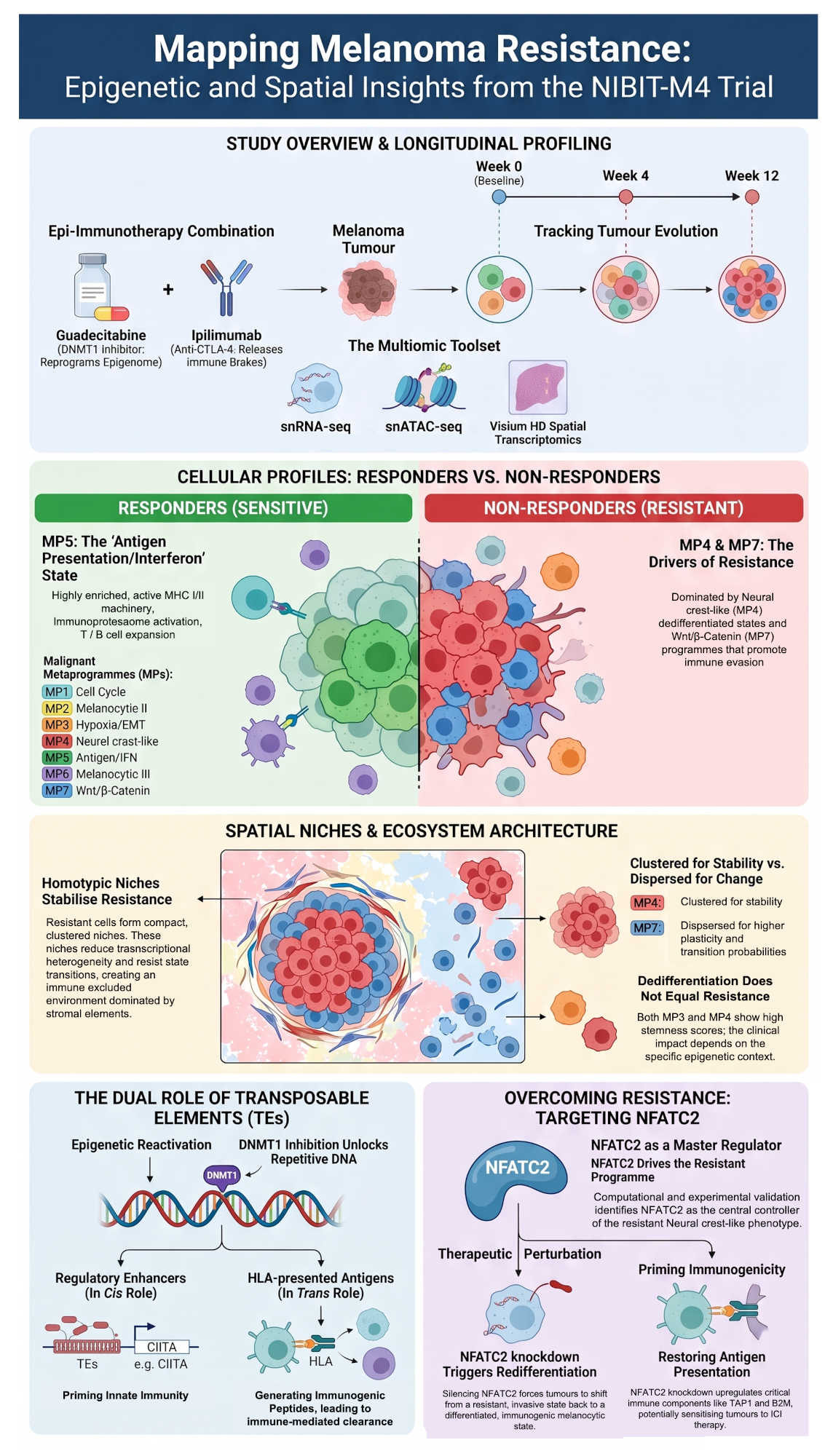
| Elena Splendiani | Pharmacology & Therapeutics | This study provides a comprehensive and clinically relevant synthesis of circulating biomarkers as minimally invasive tools to predict and monitor immunotherapy response in melanoma, advancing personalized treatment strategies. |  |
| Pankaj Trivedi | PNAS | This article identifies specific strain of Epstein-Barr virus as a major risk factor in the pathogenesis of Multiple Sclerosis. |  |
| Mikiko Watanabe | Cell Reports Medicine | A comprehensive and forward-looking review published in Cell Reports Medicine, integrating multi-omics and clinical evidence to position the gut microbiome as a central, actionable driver of precision obesity care across dietary, surgical, and pharmacological interventions. |  |
| Ilaria Grazia Zizzari | Journal of Experimental & Clinical Cancer Research | This work identifies and validates novel circulating immune biomarkers predictive of resistance to anti-PD-1 immunotherapy in patients with recurrent/metastatic HNSCC, offering an innovative and clinically applicable strategy to improve patient selection and optimize personalized medicine. |  |